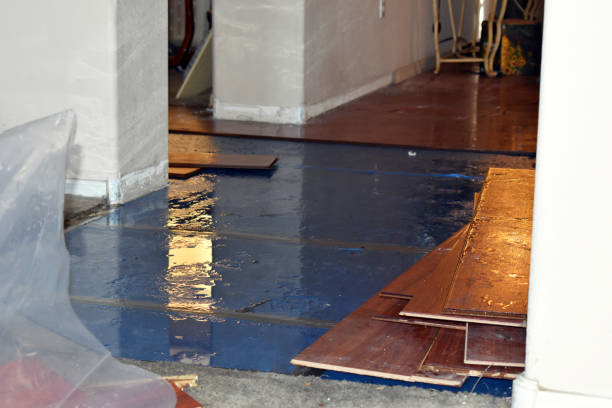
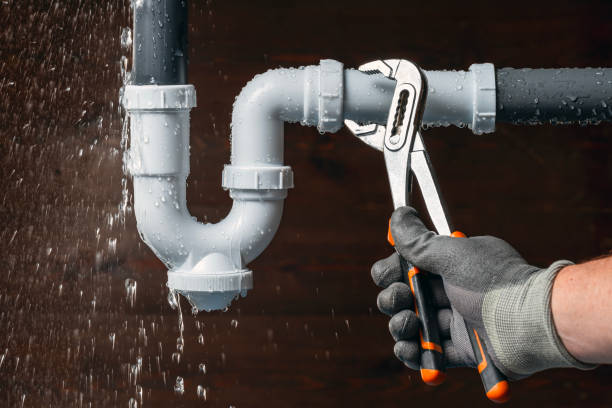
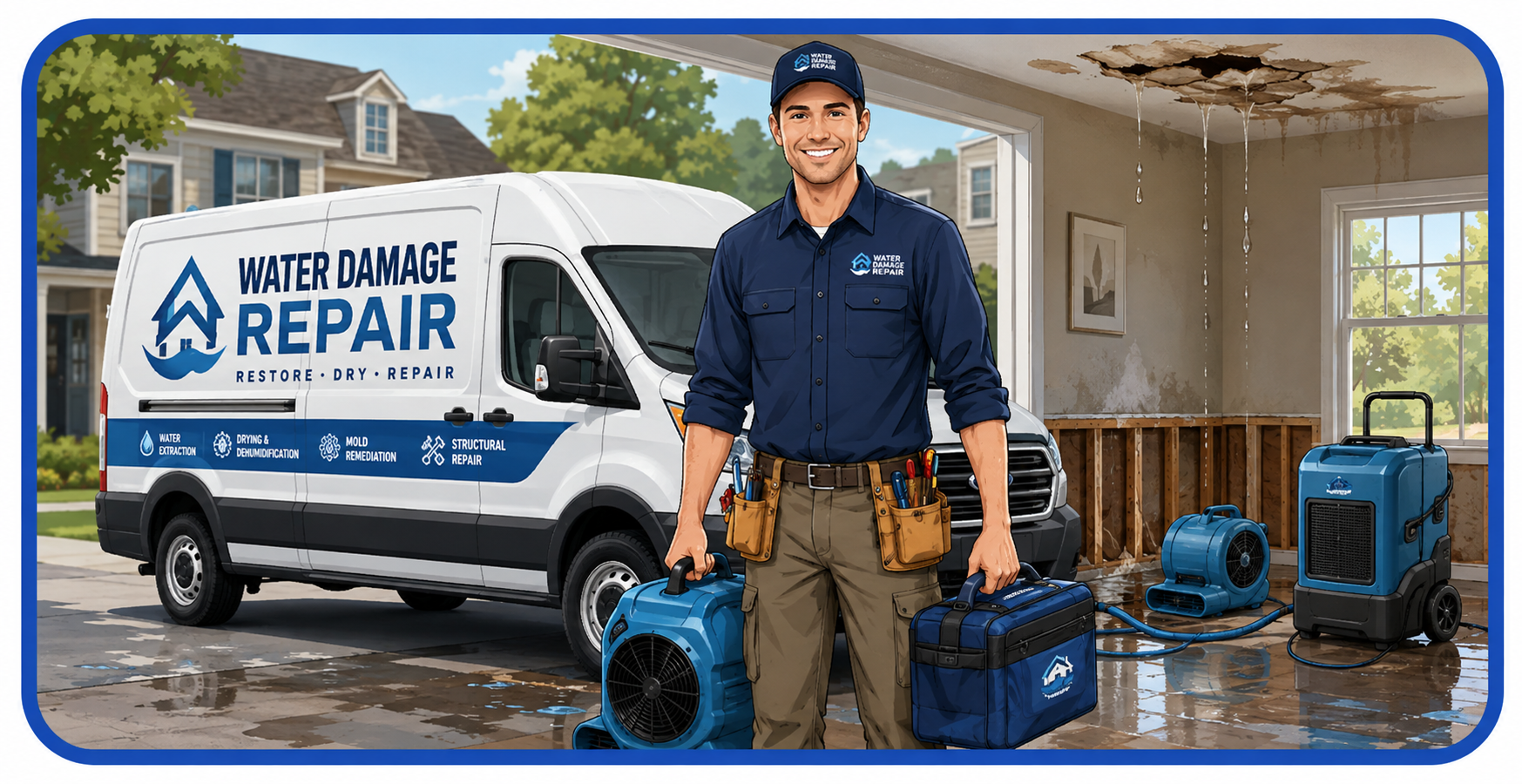
Salt Lake City sits on a mix of older plumbing and newer builds, and our crew has pulled water out of both, which is why the truck that shows up already has the right extraction head for your situation.
Call +1-844-578-1604
Avg. arrival under 60 minutes in Salt Lake City
Written estimate, no hidden line items
Licensed & insured, verifiable on request

Aqua Guard Water Damage didn't parachute into Salt Lake City with a rented truck and a stock script. Our technicians have worked this market long enough to know which neighborhoods sit low, which ones have older cast-iron plumbing, and which zip codes call in during every heavy storm.
Our Salt Lake City dispatch desk is staffed around the clock by people, not an automated queue, which matters most at exactly the hour you're calling.
Homeowners dealing with a flood are stressed enough without technical jargon, so we train our crews to explain the process in plain terms from the first phone call.
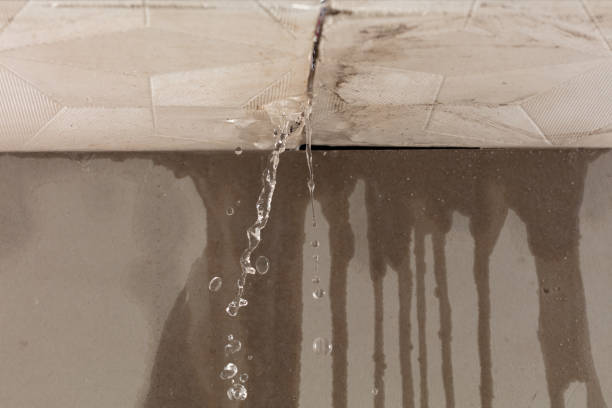
Water damage rarely starts as a dramatic flood — it usually starts small, and these are the signs worth acting on before the damage spreads further.
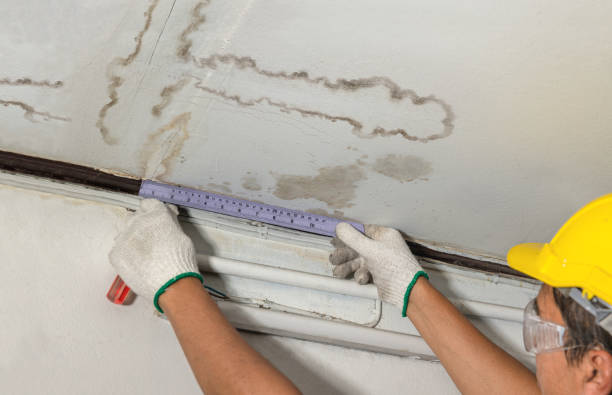
Fresh paint over an old stain can hide the problem visually for a month or two, right up until the drywall paper backing gives out.
A musty note that wasn't there a season ago usually means microbial growth has started somewhere behind a wall or under flooring, well before you can see anything.
A hollow sound from tile that used to sound solid usually means the mortar bed lost adhesion from sustained moisture underneath.
Catching a hidden leak through the water bill is far cheaper than waiting for it to surface as a flooded room.
Bubbling paint near a baseboard or exterior wall usually means moisture is pushing through from behind rather than a simple application defect.
A small patch of mold in a corner or along a baseboard means conditions behind that surface have supported growth for a while — the source needs to be found, not just wiped away.
If more than one of these sounds familiar, it's worth a professional moisture check sooner rather than later.
Treating Emergency Water Damage as a single continuous job, rather than a series of handoffs, is what keeps timelines shorter and documentation consistent.
The equipment on our trucks scales up or down to the job, but the process — assess, extract, dry, verify, repair — doesn't change.
Moisture meters classify the water as Category 1, 2, or 3 on arrival, which determines whether it's a straightforward extraction or a full contamination protocol.
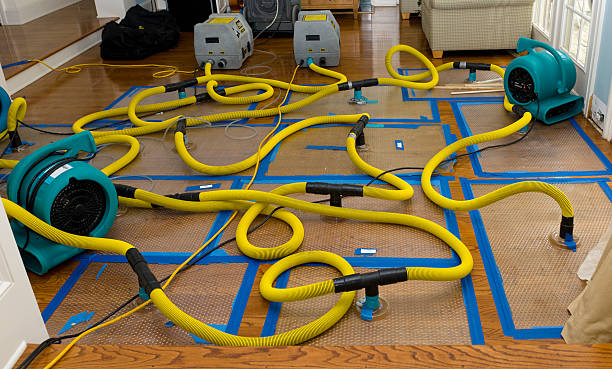
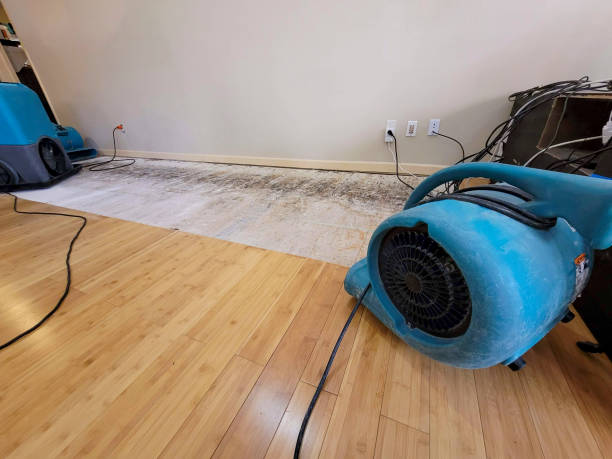
Air movers and dehumidifiers get placed according to psychrometric readings taken at assessment, not a default layout used on every job regardless of conditions.
Our sewage cleanup protocol follows IICRC S500 guidelines start to finish, including isolation of the affected zone and disposal documentation.
We treat the 48-hour mold window as a deadline for our own drying timeline, not a talking point.
One contract from extraction through reconstruction means you're not managing two separate companies and two separate invoices.
We inventory and relocate contents that need to leave the affected area, then coordinate their return once the space is verified dry.


Four steps, no guesswork — here's exactly what happens between your call and a verified-dry structure.
Dispatch gathers just enough detail to load the right equipment before the truck leaves the lot.
Photo and moisture documentation happens before any equipment gets touched, which protects your insurance claim later.
Equipment placement follows the specific psychrometric numbers from assessment, not a generic pattern used on every job.
Final verification is where corners often get cut industry-wide; we treat it as mandatory.
We built the checklist below around the actual complaints people have about restoration companies in general, then made sure Aqua Guard Water Damage doesn't repeat them.
We'll show you the credentials before we show you the invoice, if that's what puts you at ease.
Shorter drive times matter most in the first hour after a loss, which is exactly when local staging pays off.
You get a written estimate before equipment turns on, not a surprise invoice after the fact.
A guarantee only counts if it's backed by a second moisture reading, not just good intentions.
If our readings don't hit a safe drying standard on schedule, equipment stays running at our cost until they do — that's the bar we hold ourselves to.
This isn't marketing copy — it's the actual checklist our crews sign off against before a job is marked complete.
Call +1-844-578-1604Our Salt Lake City service radius covers 84116 84115 84114 84113 84112 84111 84128 84150 84180 84108 84101 84102 84103 84104 84105 84106 84138 84110 84122 84132 84133 84134 84139 84143 84145 84147 84148 84151 84152 84158 84199 84107 84109 84117 84118 84121 84123 84124 84129, with trucks positioned to reach any address quickly, not just the neighborhoods closest to a single office.
Coverage extends past the city core into the surrounding Salt Lake City suburbs, so an outlying address isn't treated as a second-tier call.

"Our water heater gave out overnight and by the time I found the pool of water it had already crept under the cabinets. The crew here in Salt Lake City had it extracted and drying equipment running before I finished my coffee."
Renee A., Salt Lake City"A storm backed water into our finished basement and the crew classified it, extracted it, and had dehumidifiers running that same afternoon. The invoice matched the quote to the dollar."
Owen D., Salt Lake City"They didn't cut corners on the sanitization step even though it clearly slowed them down — with two kids in the house, that mattered to us."
Fatima J., Salt Lake City"The reconstruction crew matched our original flooring almost exactly after the repair — you'd never guess there was ever a leak."
Lucas P., Salt Lake City"The thermal scan caught damage behind a cabinet that could have turned into a much bigger mold problem if it went unnoticed."
Grace T., Salt Lake City"They sectioned off the wet area instead of shutting down the whole office during drying, which kept us operating almost normally."
Nathaniel W., Salt Lake City"A cracked supply line under our kitchen sink went unnoticed for days, and by the time we called, the subfloor was saturated. They only replaced what actually tested wet, not the whole floor."
Bianca H., Salt Lake City"They explained the crawl space drainage issue in plain terms instead of technical jargon, and fixed it on the spot rather than scheduling a separate trip."
Derek S., Salt Lake City"They found the actual source of the leak instead of just drying the surface damage, which saved us from the same problem happening again in a month."
Melissa C., Salt Lake City"Being out of town when it happened was stressful enough — having a crew that could work directly with our property manager made it manageable."
Victor N., Salt Lake City